
CTLCV
  • Home
  • About
    • Education Fund
    • STAFF & BOARD
    • Latest Updates
    • Join Our Email List
    • News & Press
    • CAREERS & INTERNSHIPS
    • Contact Us
  • Events
    • Environmental Summit
    • 25th Anniversary Celebration
    • Post-Session Debrief
    • ACTION HOURS
  • Resources
    • Legislation >
      • 2025 Scorecard
      • Action Alerts
      • Watchlist
      • Testimony
    • Elections >
      • 2024 Endorsed Victories
      • 2024 Endorsements
      • 2024 Candidate Questionnaire
      • 2024 Questionnaire Responses
    • Briefing Papers
  • DONATE
    • DONATE TODAY
    • Donate Monthly
    • PAC Donations
    • Stock Giving
    • More Ways to Give
  • Home
  • About
    • Education Fund
    • STAFF & BOARD
    • Latest Updates
    • Join Our Email List
    • News & Press
    • CAREERS & INTERNSHIPS
    • Contact Us
  • Events
    • Environmental Summit
    • 25th Anniversary Celebration
    • Post-Session Debrief
    • ACTION HOURS
  • Resources
    • Legislation >
      • 2025 Scorecard
      • Action Alerts
      • Watchlist
      • Testimony
    • Elections >
      • 2024 Endorsed Victories
      • 2024 Endorsements
      • 2024 Candidate Questionnaire
      • 2024 Questionnaire Responses
    • Briefing Papers
  • DONATE
    • DONATE TODAY
    • Donate Monthly
    • PAC Donations
    • Stock Giving
    • More Ways to Give

News & Press

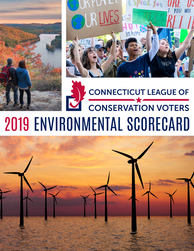
CTLCV Releases 2019 Environmental Scorecard

11/18/2019

 
Picture
Hartford, Conn. (November 18, 2019) – The Connecticut League of Conservation Voters (CTLCV) today released the 2019 Environmental Scorecard, a comprehensive review of the major environmental victories, challenges, wins and losses for Connecticut’s environment during the 2019 legislative session. CTLCV closely follows the voting record of each Connecticut senator and representative to determine the 2019 score, with 100% being a flawless supporter of Connecticut’s environment.

“The 2019 session was a major year for environmental policy in Connecticut, with the passage of the new plastic bag restrictions and greater investments into renewable energies,” said Lori Brown, Executive Director of CTLCV. “We saw many freshman lawmakers making real change in environmental policy, and we want to thank all of our environmental champions for their work. However, there are still many lawmakers who rank very low, and we hope to see them do better next session.”

“Connecticut has been paving the way forward as an environmental leader under the destructive Trump administration. Our state and federal lawmakers and representatives are fighting for our clean air, earth and water every day,” said Deputy Director of CTLCV Amanda Schoen. “We saw scores rise across the 2019 legislative session, and the Lamont administration has proven that we can make a real, long-lasting change while we fight for a sustainable future.”
 
While there were many accomplishments during the 2019 session, there were many critical bills that did not make it through the committees or the legislature. CTLCV anticipates seeing a return of the Bottle Bill, PFAs and additional measures addressing climate change during the 2020 session and will be counting on the continued support of their environmental sessions. For more information about critical environmental bills and to see how your representative scored in the 2019 scorecard, visit CTLCV.org/Scorecard.

###

Governor Lamont’s 2030 Transportation Plan

11/1/2019

 
In November 2019 Governor Lamont issued his transportation plan to upgrade roads, railways, and airports. This is a great first step with particular focus on cleaner transit options like public transportation. 

​While the CT2030 plan allows for major funding for the commuter rails and some funding for upgraded bus transit, the plan needs to go further. Unfortunately, the plan does not have the emphasis on environment and climate change we would like to see. As this plan will be in effect for more than 50 years into the future, it is critical that we make changes now to accommodate the environment. The expansion of roads and highways is the opposite of what Connecticut needs to be doing to clean up our air and water. 

The CT2030 plan also does not adequately address the need for better biking and walking trails across the state. These trails take cars off the road, reducing congestion and emissions. This is an environmental, equity, and safety issue. Many people across the state cannot afford vehicles and rely on these trails and public transportation to get around. 

In order to have an equitable, environmentally-sound transportation sector Connecticut needs to focus on all types of transit, not just passenger vehicles.

​

The States are Leading the Charge:Connecticut Fights for a Green Future

11/1/2019

 
​By Lori Brown,
Executive Director, Connecticut League of Conservation Voters

 
For decades, environmental advocates have fought to protect our environment and drive the nation toward a sustainable economy. We have met many successes, from restricting HCFC refrigerants to establishing large swaths of protected green spaces. Today, many of these accomplishments are under siege by the federal government, and it is becoming increasingly difficult to create new opportunities in clean energy and sustainability.
 
With the Trump Administration undermining longstanding environmental protections, scaling back investments in renewable energies, and suppressing research into climate change, advocates are calling on states like Connecticut to lead the charge in the fight for a sustainable future. It’s up to the states to adopt legislation to cut greenhouse gas emissions, invest in clean and efficient energy technologies, and protect our air, earth and water. 

Moving to 100 percent clean energy is the cornerstone of any plan to stop climate change, and it involves more than just building an offshore wind farm or putting up solar panels. A truly green economy would also promote equity, lower emissions, invest in energy infrastructure, support resiliency efforts, and be accountable to the public.
 
Fighting climate change is not just a win for the environment, but also a win for our economy. We have seen time and again that when we invest in efficiency or clean energy or resiliency, we create new jobs while also lowering remissions. Take our existing “Lead By Example” program. Its aim is to cut our state’s energy use by 40 percent by converting state buildings, highway lights, and other assets to greener alternatives. This creates green collar jobs and strengthens our economy while also shrinking our carbon footprint.
 
Investments in public and electric transit also reduce emissions while growing our workforce and making it easier for residents to commute to school and work. Transportation is one of the key contributors to greenhouse gases, and combating climate change requires a multiform approach that builds infrastructure for electric vehicles, electrifies our state fleet, and increases mass transit options.

Protesters at the Youth Climate Strike in Hartford demand action from our leaders.
Connecticut has started down this path, and we are in good company. We’re joining a movement that includes California, New York, Massachusetts, Maryland, and others to stand up to the Trump Administration’s rollbacks and promote new clean energy and environmental policies. We have joined the effort to fight the rollback of California’s emission standards—which also apply here in Connecticut. These tighter standards on auto emissions protect our public health from toxic fumes and help us reduce the impact of transportation on climate change. They have been adopted by five automakers, thirteen other states, and Washington, DC—but they still fell under attack. It’s clear that states not only have to adopt their own climate policies, but fight to defend them.
 
Here in Connecticut, Governor Lamont and the state legislature have taken strong first steps toward protecting our environment and creating a sustainable future. By investing in a 2,000 MW new offshore wind facility, committing to a zero-carbon electric grid, reducing our reliance on single-use plastics, electrifying our state fleet, and reducing our state’s carbon emissions, Connecticut is building a green future and is setting a national example for environmental policy.

In his first year, Governor Lamont has emerged as an environmental champion by including environmental and community advocates on his Transition Team, moving key environmental bills forward during the most recent legislative session, and expanding the role of the Governor’s Council on Climate Change. Under his leadership, we have seen incredible support for Connecticut’s environmental future, and new attention directed toward upgrading our power grid, investing in coastal resiliency, and growing our clean energy portfolio.

We need leaders like Governor Lamont to keep Connecticut’s environmental agenda moving forward even in the face of the destructive policies and rollbacks currently taking place at the federal level. We are proud that Connecticut has joined alongside other environmentally conscious states to fight federal decisions like the rollback of the Endangered Species Act and revocation of the California Emissions standards in the courts.
However, Connecticut’s commitment to a green future can’t stop at these steps. Nations around the world are already experiencing the impacts of climate change. Here in Connecticut, we have seen more erratic weather, increased mosquito populations, outbreaks of infectious diseases like EEE and West Nile, and a decline in the health of our critical wetlands and endangered species. We need to fully commit to a green future by investing in green-collar jobs, addressing environmental equality, and divesting from carbon fuels.

People have a right to clean air, earth and water, and even an environmentally conscious state like Connecticut has more work to do. For example, right now Connecticut is increasing our investment in natural gas with the Killingly Energy Center. How does it make sense to set the goal of a zero-carbon Connecticut while simultaneously investing in carbon-producing energy?
 
Simultaneously, there is still a lot of work to be done to address environmental inequality and our inefficient energy grid. Low-income families are at the highest risk to experience the impact of climate change through greater exposure to pollutants, proximity to industrial facilities, and exposure to environmental catastrophes like hurricanes, drought and wildfires. We need real policies to help the ensure the most vulnerable among us are not left behind in the green economy we want to build. This means increased funding for energy efficiency to help low-income households lower their energy bills while also reducing emissions. It means revamping our environmental justice law to give marginalized communities a voice in the environmental policies that will affect their neighborhoods. It means making sure we provide job training and educational resources to those who need it the most.
 
While we invest in the future, Connecticut cannot ignore the damage climate change has already done. We cannot grow a green economy while rising seas threaten our coastline and toxic emissions poison our air. We must invest in resiliency programs, conservation, and open space. Our woodlands are natural carbon sinks, soaking up harmful greenhouse gases. Supporting the Natural Heritage Trust Program and the Open Space and Watershed Matching Grants would go a long way towards shrinking our carbon footprint.
 
It’s time to fully commit to a green future, and Connecticut has the technology, leadership and knowledge to get there. Under the Lamont administration, we already have made incredible strides in the right direction. From all of the environmental advocates, we are grateful for those important steps, and we support Connecticut as they fight the current federal administration for a cleaner planet. The people of Connecticut have spoken, and will keep speaking: the time to fight for a green future is now.

    Author

    Write something about yourself. No need to be fancy, just an overview.

    Archives

    September 2025
    August 2025
    June 2025
    May 2025
    April 2025
    March 2025
    February 2025
    January 2025
    December 2024
    November 2024
    October 2024
    September 2024
    August 2024
    July 2024
    June 2024
    May 2024
    April 2024
    March 2024
    February 2024
    January 2024
    December 2023
    November 2023
    October 2023
    August 2023
    July 2023
    May 2023
    February 2023
    November 2022
    October 2022
    September 2022
    August 2022
    November 2021
    February 2021
    November 2020
    October 2020
    December 2019
    November 2019
    October 2019
    September 2019
    July 2019
    June 2019
    May 2019
    April 2019
    February 2019
    November 2018
    October 2018
    September 2018
    August 2018
    July 2018
    June 2018
    March 2018
    October 2016
    September 2016
    October 2014
    September 2012
    August 2012

    Categories

    All

    RSS Feed

About Us
Join Our Email List
Make A Lifelong Impact
Donate Today
Connecticut League of Conservation Voters
20 Church St, FL Mezz
Hartford, CT 06103

[email protected] | (860)236-5442
Privacy Policy
​
© 2008-2025 Connecticut League of Conservation Voters